Charlotte water damage service
Ceiling Water Damage Repair in Charlotte, NC
Call now. A local crew will get the water out, dry it and fix the damage.
Tap to call now(704) 327-5078- Answered day or night
- Upfront pricing
- Insurance help
Ceiling water damage repair in Charlotte starts with one rule: never paint over the stain until you know what is leaking above it. A brown ring, a bubble, or a sagging patch means water is collecting in the ceiling cavity, and the source is usually a roof leak from a summer storm, a failed supply line or overflow on the floor above, or a condensation drip from an attic HVAC unit. Call and tell us what you are seeing. A local crew traces the source, dries the cavity, and repairs the ceiling so the stain does not bleed back through.
What a ceiling stain is telling you
Water always travels before it shows, so the stain on your ceiling is rarely directly below the leak. A discolored ring means water has been sitting in the cavity and soaking the drywall and insulation. A sagging or bulging spot means the drywall is holding a pocket of water and may be close to failing, which is a safety issue, since saturated drywall can come down. Active dripping means the source is still running and needs to be stopped now.
The size and spread of the stain hint at how long it has been going. A small, sharp ring may be a one-time event, while a large or spreading stain usually means a slow, ongoing leak that has had time to grow mold in the cavity.
Finding the source first
Repairing a ceiling without fixing the source just guarantees you do it again. In Charlotte homes the usual sources are a roof leak, common after wind-driven thunderstorm rain gets under flashing or shingles; a plumbing failure on the floor above, like a supply line, a toilet wax-ring leak, or an overflowing tub; and condensation or a clogged drain line from an attic air handler in the humid summer. The crew traces it with moisture mapping rather than guessing, so the real source is addressed.
Once the source is identified and stopped, whether that needs a roofer, a plumber, or an HVAC fix, the water cleanup and ceiling repair can proceed knowing it will stay dry.
Call about ceiling water damage repair in Charlotte. A local crew can get started today.
(704) 327-5078Drying the cavity and repairing the ceiling
Before any patching, the cavity above the ceiling has to dry. The crew often makes a small relief opening to release trapped water and check the insulation, then dries the space with air movers and a dehumidifier and confirms it with moisture readings. Wet insulation that has lost its value and any drywall too far gone are removed. Sealing a damp cavity behind a fresh ceiling traps moisture and grows mold, so this step is not skipped.
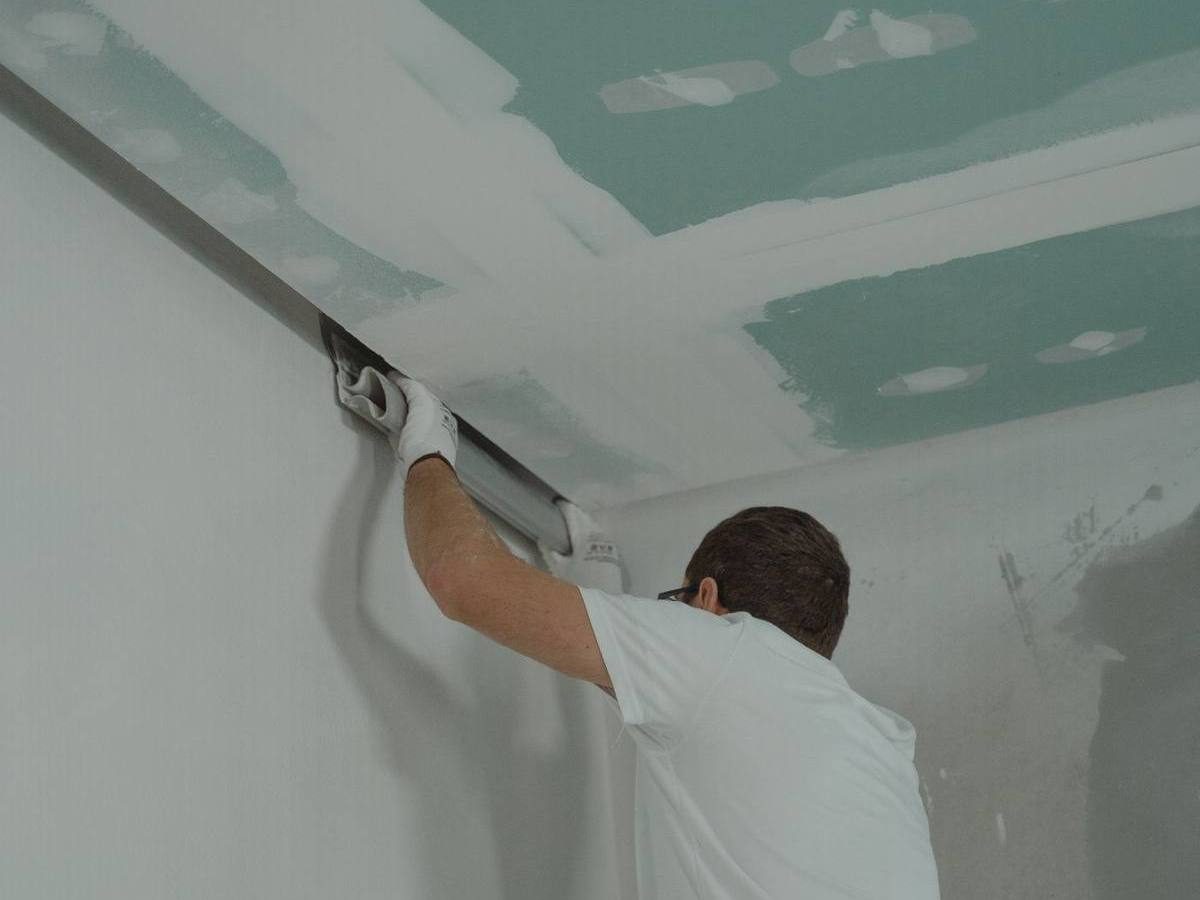
Then the ceiling goes back: new drywall where needed, taping and finishing to match the texture, a stain-blocking primer so the old discoloration cannot bleed through, and paint. Done right, you cannot tell where the damage was.
Why you can't just paint over it
Painting a water stain without drying and sealing is the most common ceiling mistake. Ordinary paint does not block a water stain, so the brown ring bleeds right back through within days or weeks. Worse, painting over a damp ceiling traps the moisture, which keeps feeding mold in the cavity and can leave the drywall soft and failing. The stain is a symptom; the water above is the problem. Find and stop the source, dry the cavity to a verified standard, prime with a stain-blocking sealer, and only then paint, and the repair lasts.
How long a ceiling repair takes
A ceiling repair in Charlotte runs on the cavity above it, not the patch below. Once the source is stopped, the wet insulation and framing in the ceiling have to dry to a verified standard before any new drywall goes up, and that usually takes a few days with air movers and a dehumidifier working the space. Rushing to close it up while the cavity is still damp traps moisture against the new drywall and invites the stain and the mold to return.
From there the finish work depends on the size of the damage and the texture of the ceiling. A small area can be patched, while a large or sagging section is cut out and replaced. Matching a textured ceiling and blending the paint so the repair disappears takes a careful hand, and a stain-blocking primer is what keeps the old water mark from bleeding through. Done in the right order, the ceiling looks untouched and stays that way.
What the work includes
- Leak source tracing
- Moisture mapping of the cavity
- Cavity drying and wet-insulation removal
- Drywall removal and replacement
- Texture matching and stain-blocking primer
- Repaint to match
How it works
How the job runs
Call and inspect
Tell the crew what happened. They come out, stop the source and map the wet areas with moisture meters and a thermal camera, including the crawl space.
Pull the water
Pumps and extractors get standing water off the floors, out of the carpet and off the crawl space vapor barrier before it spreads further.
Dry and check
Air movers and commercial dehumidifiers dry the walls, subfloor and joists. Daily meter readings confirm it is dry before anything gets closed up.
Repair
Damaged drywall, flooring, trim, insulation and vapor barrier get replaced so the house looks and works the way it did before.
Common questions
Ceiling Water Damage Repair FAQ
Can I just paint over a water stain on my ceiling?
Not until the source is fixed and the cavity is dry. Ordinary paint does not block a water stain, so it bleeds back through, and painting over a damp ceiling traps moisture and feeds mold. Stop the leak, dry the cavity, prime with a stain-blocking sealer, then paint.
How do I know if my ceiling is going to collapse?
A sagging or bulging spot means the drywall is holding water and could fail, so stay out from under it and call for help. A flat brown stain is less urgent but still means water is sitting above. Either way, the cavity needs drying and the source needs fixing.
What's causing my ceiling leak?
In Charlotte it is usually a roof leak after a storm, a plumbing failure on the floor above, or condensation and clogged drain lines from an attic HVAC unit in summer. The crew traces the real source with moisture mapping before repairing, so it does not happen again.
Other water damage services in Charlotte
Water Damage Restoration
A flooded crawl space, a burst pipe, a creek over its banks, or a slow leak through the ceiling. Get fast, local water damage help and an honest plan to dry your home out.
Learn more ›Burst Pipe Water Damage
A burst pipe can pour water for hours. Get fast shutoff guidance, extraction, and drying before it ruins the floors below.
Learn more ›Structural Drying & Dehumidification
Getting the water out is only half the job. Get verified drying so moisture never gets sealed into your walls and floors.
Learn more ›Carpet Water Damage
Wet carpet can sometimes be saved, but only if it dries fast. Get quick extraction and an honest call on the pad underneath.
Learn more ›Water spreading right now?
Do not wait for it to dry on its own. Call and get a local restoration crew moving on it, day or night.