Charlotte, NC · Mecklenburg County
Water Damage Restoration in Charlotte, NC
Water in your house or crawl space? Call now. A local crew will get it out and dry it fast.
Tap to call now(704) 327-5078- Answered day or night
- Upfront pricing
- Insurance help
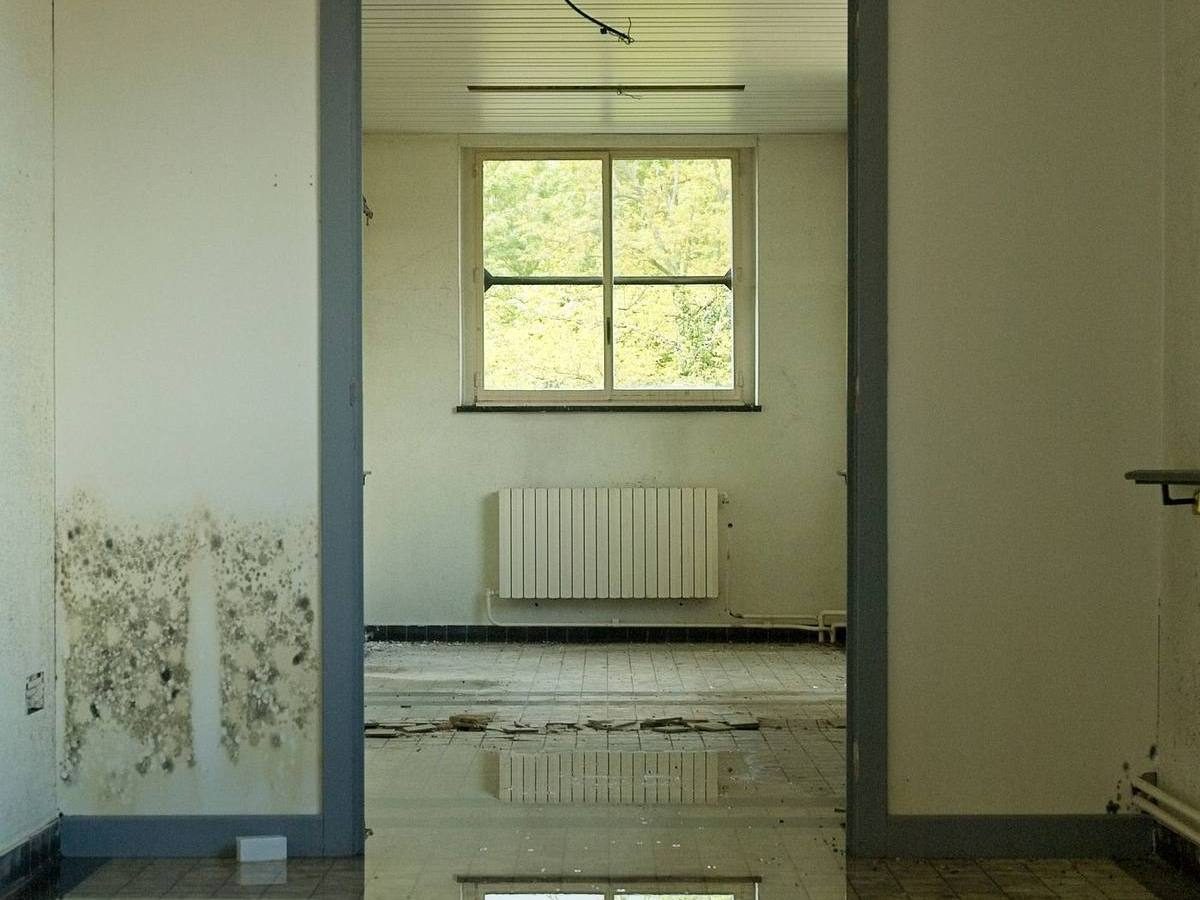
Water in the house right now?
Do these 4 things, then call
- Shut off the water. The main valve is often near the meter by the street or where the line comes into the house. In a crawl space home, it may be just inside the crawl space door.
- Kill power to wet rooms at the breaker, but only if you can reach the panel from a dry spot. If water came up a floor drain, stop running sinks, toilets and the washer.
- Take photos and video before you move anything. Your adjuster will ask for them.
- Call (704) 327-5078. The sooner the water comes out, the less drywall, flooring and framing you lose.
Local water damage help when you need it
Water damage in Charlotte rarely waits for a good time. A supply line under the sink lets go while you are at work. A summer thunderstorm dumps two inches of rain in an hour and the crawl space fills with red, muddy water. A cold snap splits a pipe under the house, and nobody notices until the floor feels soft. When that happens, you need someone who can start pulling the water out today.
One call to (704) 327-5078 connects you with an experienced local restoration crew that works across Charlotte and Mecklenburg County. They handle the whole job: water extraction, crawl space water damage, structural drying, mold remediation and the repairs that put drywall, floors and paint back. You deal with one crew from the first pump-out to the last coat of paint, and you get upfront pricing before the work starts.
This page covers what to do in the first hour, what each service involves, what the work costs in Charlotte, and why homes here take on water the way they do. If water is spreading right now, skip the reading and call.
What we fix
Water damage services in Charlotte
From the first pump-out to the final coat of paint. Pick the one that sounds like your problem, or just call and describe it.
Water Damage Restoration
A flooded crawl space, a burst pipe, a creek over its banks, or a slow leak through the ceiling. Get fast, local water damage help and an honest plan to dry your home out.
Learn more ›Crawl Space Water Damage
Standing water and rotting humidity under the floor. Get fast pump-out, drying, and a dry vapor barrier so mold never gets started.
Learn more ›Water Extraction & Removal
Standing water has to come out first. Get fast pump-out and extraction before it wicks deeper into your home.
Learn more ›Burst Pipe Water Damage
A burst pipe can pour water for hours. Get fast shutoff guidance, extraction, and drying before it ruins the floors below.
Learn more ›Structural Drying & Dehumidification
Getting the water out is only half the job. Get verified drying so moisture never gets sealed into your walls and floors.
Learn more ›Mold Remediation
Where water sits, mold follows. Get safe containment, removal, and the moisture fix so it does not come back.
Learn more ›Sewage Backup Cleanup
A sewer backup is a biohazard, not a mess to mop. Get safe removal, sanitizing, and drying done right.
Learn more ›Storm & Flood Damage Restoration
When a creek jumps its banks or a storm overruns the drains, water gets in fast. Get fast pump-out, cleanup, and drying.
Learn more ›Basement Flooding Cleanup
Water in a Charlotte basement spreads by the minute. Get fast pump-out, drying, and an honest plan to put it back.
Learn more ›Ceiling Water Damage Repair
A brown ring or a sagging ceiling means water is sitting above it. Get the source found, the cavity dried, and the ceiling repaired right.
Learn more ›Carpet Water Damage
Wet carpet can sometimes be saved, but only if it dries fast. Get quick extraction and an honest call on the pad underneath.
Learn more ›Commercial Water Damage
Every hour closed costs money. Get fast extraction and drying that gets your Charlotte business back open.
Learn more ›Fire & Smoke Damage Restoration
After a fire there is smoke, soot, and the water used to put it out. Get all three handled together by one crew.
Learn more ›Not sure what you need?
Most people call before they know if it is a crawl space problem, a slab leak or a roof leak. Describe what you see and a local crew will sort it out.
(704) 327-5078Every hour the water sits, the job gets bigger
Drywall soaks up water fast. Wood floors start to cup within hours. In a humid Charlotte crawl space, mold can start in 24 to 48 hours. Calling now keeps a drying job from turning into a rebuild.
How it works
How a Charlotte water damage job runs
Four steps, start to finish. You get the price before step two.
Call and inspect
Tell the crew what happened. They come out, stop the source and map the wet areas with moisture meters and a thermal camera, including the crawl space.
Pull the water
Pumps and extractors get standing water off the floors, out of the carpet and off the crawl space vapor barrier before it spreads further.
Dry and check
Air movers and commercial dehumidifiers dry the walls, subfloor and joists. Daily meter readings confirm it is dry before anything gets closed up.
Repair
Damaged drywall, flooring, trim, insulation and vapor barrier get replaced so the house looks and works the way it did before.
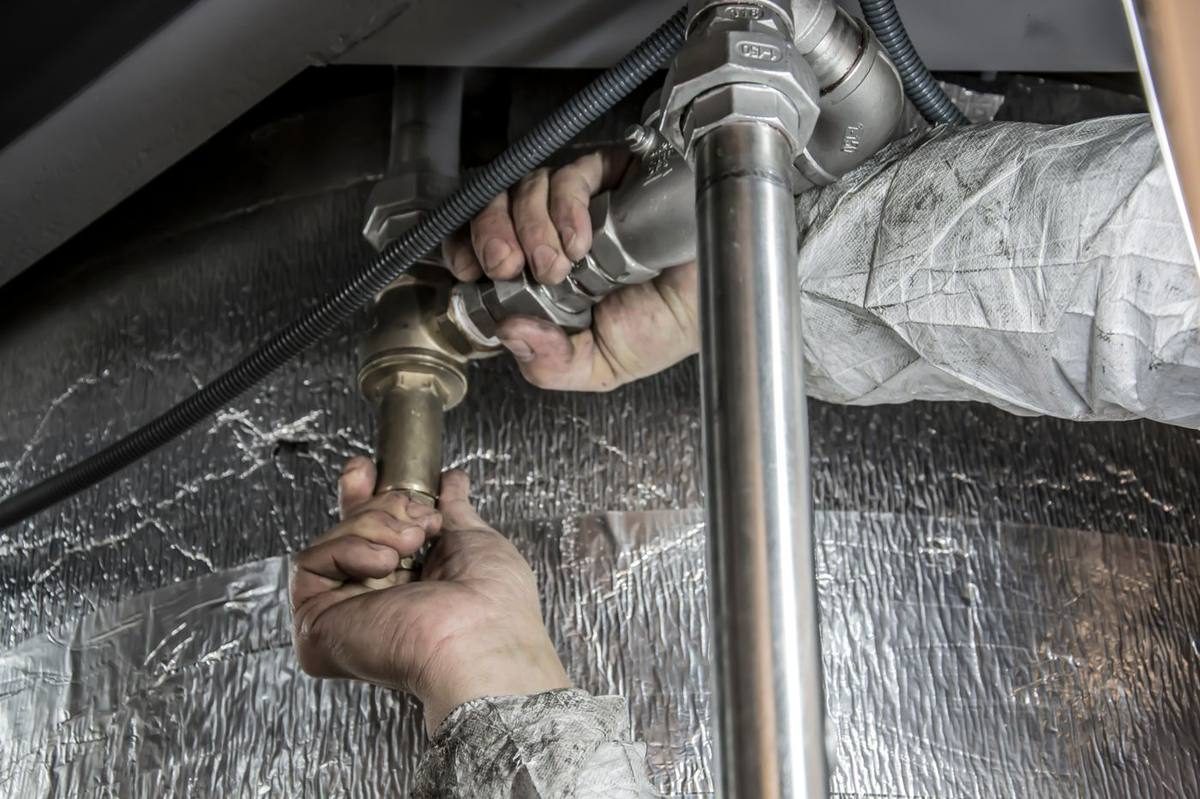
Charlotte's most common call
Water under the house: crawl space water damage
Most older Charlotte homes, and plenty of newer ones, sit over a vented crawl space instead of a basement. That dark space under the floor is where water goes when a pipe bursts, when the gutters dump against the foundation, or when heavy rain soaks the clay around the house. It is also where nobody looks. By the time a homeowner smells it or feels a soft spot in the floor, the insulation is sagging and the joists have been wet for days.
A crawl space job has its own steps. The crew pumps out standing water, pulls down soaked insulation, removes or replaces a torn vapor barrier, and sets up dehumidifiers sized for the space. Then they check the joists and subfloor with moisture meters until the wood reads dry. If mold has started on the framing, it gets treated before the space is closed back up.
If you see water under your house after a storm, treat it as urgent. See the full crawl space water damage in Charlotte page for what the work includes.
Call (704) 327-5078Know the cause
What floods Charlotte homes
Most water damage calls in Charlotte come back to the same six sources. Knowing which one you have tells the crew where to look first.
Wet crawl spaces
Rain soaks the red clay around the foundation and seeps in. Summer humidity keeps the space damp, so water collects on the vapor barrier and mold grows on the joists.
Creek and flash flooding
Homes near Little Sugar, Briar, McAlpine and Sugar Creek can take on water when a downpour overruns the channel and the storm drains back up.
Storms, wind and fallen trees
Summer thunderstorms and tropical storm remnants push rain under shingles and flashing. Big trees come down on roofs, and the next rain finds the attic.
Frozen and burst pipes
Pipes in crawl spaces, garages and outside walls freeze in a hard cold snap. The water comes when the ice thaws, often under the floor where you cannot see it.
Sewer backups
Tree roots in old clay sewer lines and heavy rain on the system push sewage back up through floor drains and low toilets. That is black water and needs safe cleanup.
Slab leaks and appliance failures
In newer slab homes, a supply line under the concrete can leak for days. Water heaters, washer hoses and upstairs toilets flood floors too, often overnight.
Not sure which one you have? Call (704) 327-5078 and the crew will know where to look first.
Why Charlotte homes get water damage
Start with the ground. Charlotte sits in the Piedmont, and much of the soil under its houses is dense red clay. Cecil clay, the North Carolina state soil, is the classic example. Clay drains slowly. After a long rain it holds water against footings and foundation walls, and that water finds its way into crawl spaces and the few basements in town. When the gutters are clogged or the downspouts empty next to the house, the problem gets worse fast. A lot of the crawl space calls in Charlotte start with a gutter.
The weather adds to it. Charlotte averages more than 43 inches of rain a year, and much of it falls in short, heavy bursts. Summer thunderstorms can drop an inch or two in an hour, which is more than the storm drains and creeks can carry. Tropical systems matter here too, even this far inland. Tropical Storm Fay dropped close to a foot of rain on Charlotte in 2008 and flooded hundreds of homes, apartments and businesses, with Briar Creek among the worst spots. In September 2024, Helene did most of its Charlotte damage with wind: falling trees, trees on houses and tens of thousands of Duke Energy customers in Mecklenburg County without power, while Duke Energy opened the floodgates at Cowans Ford Dam and warned people along Mountain Island Lake and Lake Wylie that the water was coming up. A tree on the roof is a water damage problem the next time it rains.
Charlotte and Mecklenburg County have been buying out flood-prone homes along the creeks since 1999, and the program has bought more than 450 properties. That tells you how real creek flooding is here. If you live near Little Sugar Creek, Briar Creek, McAlpine Creek or Sugar Creek, check whether your home sits in a mapped floodplain. A standard homeowners policy does not cover creek or overland flooding.
Winter brings a different kind of trouble. Hard freezes are not common in Charlotte, so many homes have water lines running through vented crawl spaces, garages and exterior walls with little insulation. When a cold snap settles in, those lines freeze and split. Ice storms are part of the local history too. The December 2002 ice storm coated the region in up to an inch of ice, knocked out power to more than a million people across central North Carolina, and left Charlotte Water dealing with water main breaks across the city. A house without heat for a few days in January is a house with frozen pipes.
Then there is the housing itself. Dilworth (28203), Charlotte's first streetcar suburb, opened in 1891 and is full of bungalows on raised crawl spaces. Myers Park (28207), developed after 1911, has older homes under big trees with the Little Sugar Creek Greenway along its western edge. Plaza Midwood (28205) started as a streetcar suburb in 1910, about a mile east of Uptown, and NoDa grew out of mill villages built in the early 1900s. These older neighborhoods share the same set of risks: aging galvanized and cast iron plumbing, clay sewer laterals that tree roots break into, and crawl spaces that have been damp for decades. South End (28203), once a textile mill district along the rail line and now packed with apartments and condos along the LYNX Blue Line, adds a different problem: a leak in one unit can run down into the units below. Out in Ballantyne (28277) and the newer subdivisions in Huntersville and Matthews, homes are more often built on slabs, so slab leaks and upstairs bathroom failures are the usual calls.
All of this comes back to humidity. Charlotte summers are muggy from late May through September, and a wet crawl space does not air out on its own in that weather. It grows mold instead. That is why fast extraction and verified drying matter more here than the national ads let on.
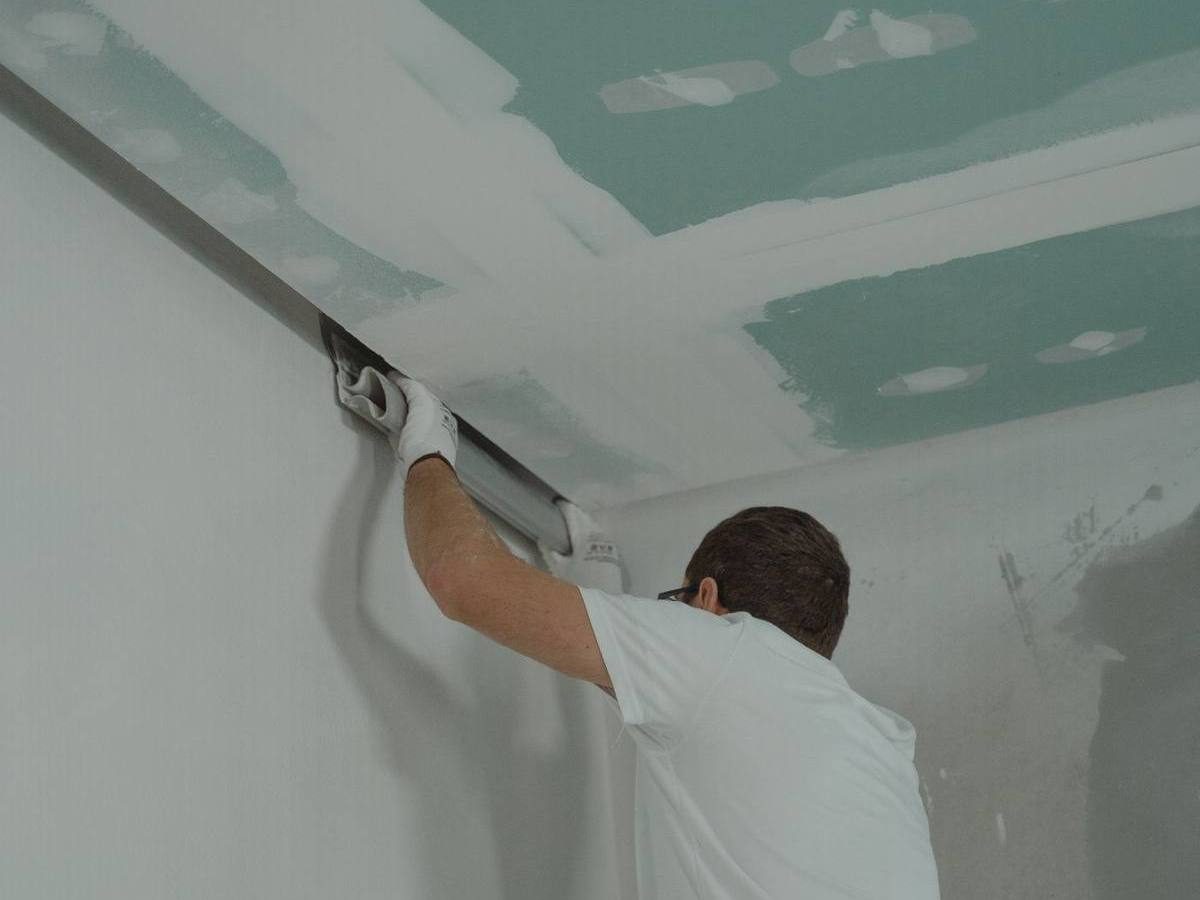
What a local crew does differently
National franchise ads show up in every Charlotte search. A crew that works here every week knows the local houses. It knows to open the crawl space door before blaming a stain on the living room floor, to check the gutters and grading after a storm, to look at the clay sewer lateral when a floor drain backs up in Plaza Midwood, and to check for a slab leak when a Ballantyne tile floor feels warm. Finding the water you cannot see is what keeps a leak from becoming a mold job.
The process stays simple. Stop the water. Pull out what is standing. Dry the structure with the right equipment. Prove it is dry with meter readings. Then rebuild. You get upfront pricing before work starts and help documenting the loss for your insurance company, with no pressure and no surprise line items at the end.
Call (704) 327-5078What does water damage restoration cost in Charlotte?
Price depends on the type of water, how far it spread and what it soaked. These are typical ranges for Charlotte jobs:
| Minor clean water loss, caught early | $1,500 to $3,500 |
| Flooded room or wet crawl space | $3,500 to $8,000 |
| Severe or sewage loss with rebuild | $8,000 to $20,000+ |
| Typical cost per square foot | $3.75 to $7.00 |
Most Charlotte jobs land around $2,700 to $7,500. Time is the biggest factor: water caught in the first hours is a drying job, and water left for days becomes tear-out and rebuild.
See the full Charlotte water damage cost guide ›Will my insurance cover it?
Most homeowners policies cover water damage that is sudden and accidental, like a burst pipe, a failed water heater or a supply line that let go. A sewer or drain backup is covered only if you added a backup endorsement. Creek and overland flooding needs a separate flood policy through the National Flood Insurance Program.
The crew helps either way. They photograph the damage, log moisture readings and write up the scope so your adjuster has what they need. Call your insurance company to open a claim, but do not wait on their call back to start drying. Most policies expect you to stop further damage right away.
Call (704) 327-5078Where we work
Water damage help in Charlotte and nearby
Crews cover all of Charlotte, from Uptown and South End (28203) to Dilworth, Myers Park (28207), Plaza Midwood and NoDa (28205, 28206) and Ballantyne (28277), plus the Mecklenburg County towns around it.
Common questions
Charlotte water damage FAQ
How fast can someone get to my Charlotte home?
Call (704) 327-5078 any time, day or night, and you will be connected with a local restoration crew that puts active leaks first. Tell them where the water is and how much there is so they bring the right pumps and drying equipment. The faster the water comes out, the less it spreads into drywall, flooring and framing.
Is water in my crawl space an emergency?
Usually, yes. Standing water under the house soaks the insulation and the underside of the subfloor, and in Charlotte humidity mold can start on the joists within 24 to 48 hours. A crew pumps it out, removes wet insulation, fixes or replaces the vapor barrier and dries the framing with dehumidifiers.
Will I get a price before work starts?
Yes. After the inspection, the crew walks you through what got wet, what can be dried in place and what has to come out, and gives you upfront pricing before the work begins. If insurance is involved, they write the scope in a way your adjuster can follow.
Do I need to move out while the house dries?
Usually not. Most clean water jobs dry in three to five days with equipment running, and you can stay home while it runs. Sewage backups, creek flooding and large mold jobs can be different, and the crew will tell you if a room or the whole house should be off limits.
My home took on water in a tropical storm. Is that covered like a pipe leak?
It depends on how the water got in. Rain that came through a roof damaged by wind or a fallen tree is often covered by a homeowners policy. Water that rose from a creek or ran in across the ground is flood damage, and that needs a separate flood policy. Either way, photograph everything and start drying right away.
What should I check after a hard freeze or ice storm?
Once temperatures climb, check the crawl space, the garage and any walls with plumbing on the outside of the house. Listen for running water with every tap off and watch the water meter. If a pipe split, shut off the main valve and call before the water spreads under the floor.
Can wet hardwood floors be saved?
Often, if drying starts fast. Hardwood that cups after a leak can flatten again when the crew dries it from above and below, which in a crawl space home means drying the subfloor and joists too. Floors that sat wet for days or got sewage on them usually have to be replaced.
Do you handle businesses and rental properties too?
Yes. Offices, storefronts, restaurants, apartments and rental homes across Charlotte get the same extraction and drying. The work can be scheduled to keep the business open where possible, and the crew can work with property managers and owners on documentation.
Water where it should not be?
Call now and get a local restoration crew moving on it, day or night.